
Injustices from the Frontlines: What Journalism in Conflict Zones is like - Interview with Xan Rice
Emily Zavadil
In a world that faces increasing human rights violations through conflict, investigative journalism has never been more important. From the conflict zones of East Africa to the committees at ILYMUN, Xan Rice offers his insights and highlights how reporting and free media can expose great injustices and give a voice to the voiceless.
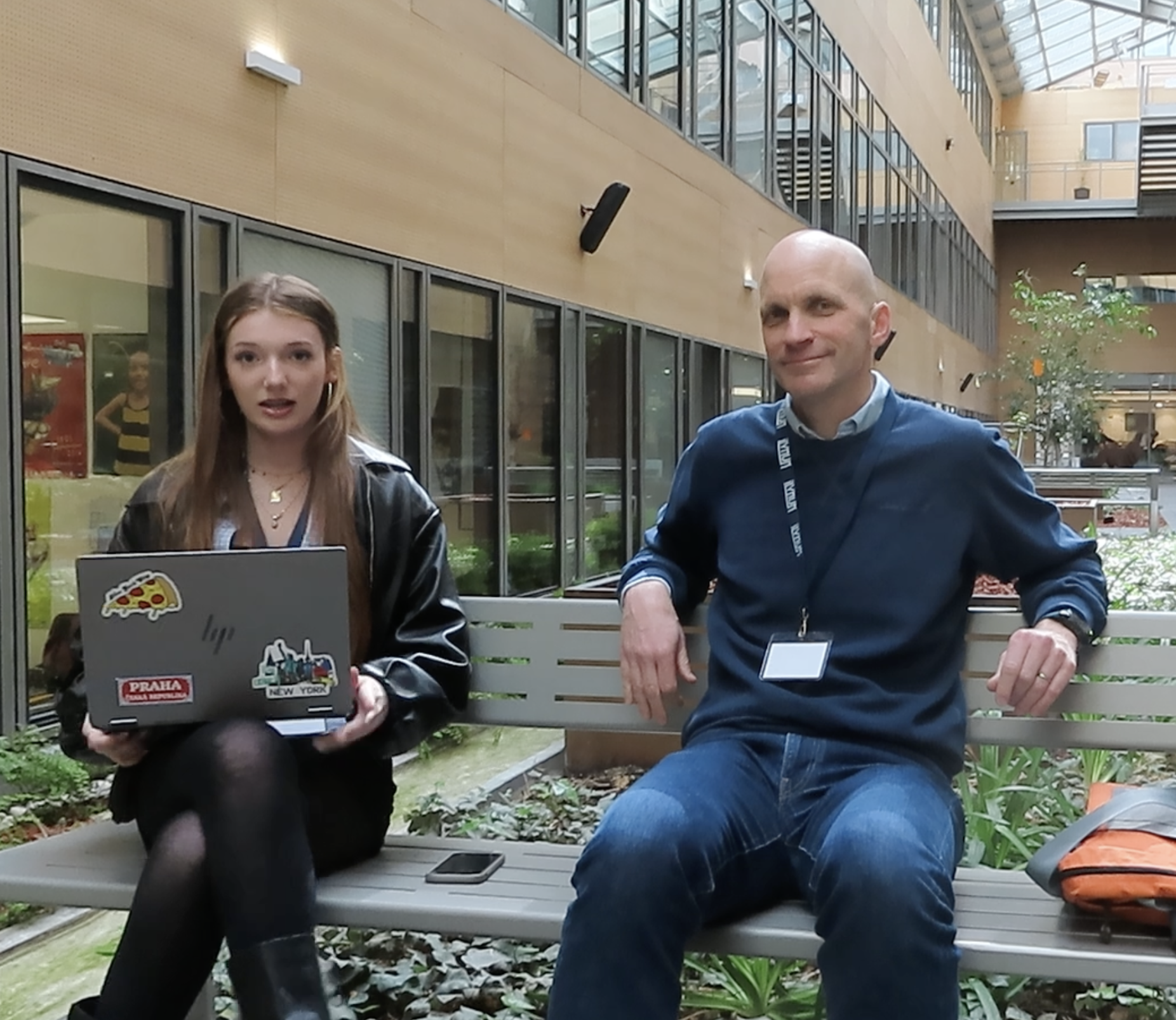
Emily Zavadil: To begin, for those who may not be familiar, could you briefly explain what the Office of the United Nations High Commissioner for Human Rights does and its importance?
Xan Rice: Well, yeah, I mean, the Office of the Commission for Human Rights deals with all types of human rights for people around the world, as the name suggests. And in terms of its importance, I think you only have to look at the world today and what's going on, all the turmoil in the world, to understand that the rights of people, whether they are minority groups or certain countries or groups within certain countries, are usually important and need to be protected. These people need to have some sort of representation. So yeah, it's super important. Sorry that wasn't the most articulate description of it, but anyway you might want to edit that a bit.
Emily Zavadil: You spent several years reporting from East Africa for The Guardian. How did witnessing conflicts and humanitarian crises there firsthand shape your perspective on human rights?
Xan Rice: That's a good question. I guess you just see how the actions of governments and states, and decisions that are taken by powerful people, can have a massive effect on people on the ground. It doesn't have to be something like waging war or conflict; it can even just be policy. It's easy to sit in a nice office somewhere in the capital and decide this is going to happen or this is not going to happen. But the people who are affected by that policy are generally not the people making it. So yeah, I mean, I guess I saw a lot of people who were on the wrong side of decisions, and not just decisions, but the wrong side of conflicts and disputes, and with very little recourse to justice or protection. It does make you realize that there is a need for protection beyond individual countries and that organizations such as the UN, as well as other non-governmental organizations, have a massive role to play in helping protect people and advocating on their behalf.
Emily Zavadil: What do you think are some of the biggest human rights challenges that the world is facing today?
Xan Rice: There are so many. I've just been talking about climate. The people who are suffering the effects of climate change generally are poorer people from poorer countries. So there's a massive issue there with their rights to a dignified life and things which are being affected by the actions of wealthier countries. There are minority rights groups and in pretty much every country there are minority groups, and in many cases they don't have a voice. I guess just the rights of people to a safe, dignified life with all the conflicts going on at the moment, whether it's in Ukraine or whether it's in the Middle East. Yeah, human rights are being trampled on, really are being trampled on by people who are not thinking about the very human consequences of their actions. So yeah, I think there's a lot to be concerned about.
Emily Zavadil: How does the OHCHR respond when a country is accused of violating human rights?
Xan Rice: I'm not an expert on the OHCHR, so I think I'll probably leave that question.
Emily Zavadil: How important would you say investigative journalism is in holding governments accountable for human rights violations?
Xan Rice: I think it's massively, massively important. I mean, let's take one example. In the current war in the Middle East, in Iran, on the first day of the war a missile hit a school, as I think a lot of people know now, and apparently around 170 students were killed. The response from the two attacking parties, from the US and from Israel, was that they were investigating but that it wasn't them, and that they don't do that sort of thing. It's only because the press kept digging, digging, digging, asking questions, looking for evidence, and doing investigations using satellites, data, and information coming out of Iran that we got to what looks like the truth: that it was an American missile that hit. If you just left it up to the governments, they would say they were investigating and that they don't target civilians. It's very common in war for that to happen. But that's just one example of journalists using the tools at their disposal and sticking with the story and investigating. That can at least shed some truth as to what has happened and hold some people accountable.
Emily Zavadil: While documenting these issues, what would you say the biggest challenges are?
Xan Rice: Well, I guess the biggest challenge is that if people are doing bad things, they don't want you to find out. So they're going to make it hard for you to do your work. And it doesn't even have to be bad things. If you look at other parts of the Middle East, I was reading this week about how many people have been arrested in the UAE and in Qatar for taking pictures of sites that have been damaged by drones or missiles, because the countries don't want their image further hurt as a haven of safety. So that's just one example of how it's very hard to get information out. That's probably a big hurdle in a lot of cases, that countries, states, and governments will try to put barriers in place to stop that from happening. It happens in developed countries and it happens in developing countries. All countries do that. Other times it's access, getting to more remote areas. I would also say that there's a lot less money in journalism than there used to be. There are fewer outlets and fewer journalists doing this sort of work because the business model of journalism has been upended by the internet. Lots of people don't read newspapers or even newspapers online anymore. They might get their news from social media or elsewhere. The business model has been hit. Another barrier is that there aren't enough people doing it and there isn't enough money for them to do this work. Investigative journalism is expensive and time consuming, and without the resources it's very hard.
Emily Zavadil: Do you have any specific instances where you have encountered some challenges when working in an area of conflict?
Xan Rice: Yeah, sure. In Sudan in the early 2000s there was a big conflict in a region called Darfur, which in fact is still going on today. Just getting to Darfur was a nightmare. First you had to get a visa for Sudan, which could take months or weeks. Once you're in Sudan, you then have to get permission to go to Darfur, and that could take weeks. If you imagine you're a journalist and you have to wait for weeks in a hotel, that's your time. You can't really do anything else. You're stuck. It's expensive. That's just because the government is trying to make things difficult. They don't want you to see what's going on. So that's just one logistical and financial hurdle that's put in place. There are obviously other ones involving danger or other risks, which have happened as well. But that's just one example.
Emily Zavadil: What advice would you give to students participating in MUN committees like the OHCHR when debating human rights issues?
Xan Rice: Yeah, I mean, what advice? That's a good question. In debating, I think you should just keep an open mind and try to put yourself in other people's shoes. I know delegates tend to have to take the position of a country, which will steer their answers to a degree, but try to put yourself in the shoes of the person on the wrong side of the human rights abuse and imagine what that must be like and what they would want as their ideal outcome. With human rights it's generally a question of power, so try to think about the people on the wrong side of that power.
Emily Zavadil: And last question, looking ahead a few years, what do you think will be the most important human rights issue for the next generation to address?
Xan Rice: Yeah, that's a very good question. Obviously climate will be an issue. I guess privacy with AI and how all that is developing also fits into human rights. Digital rights, the right to privacy, the right to your own information, and the right not to be surveilled by governments, states, and organizations will be key issues. I also think that as the world's population keeps growing there will be more pressure on resources. When that happens, the most vulnerable people tend to get squeezed. So minority rights and the rights of people in poorer countries are super important and will become even more important.
Emily Zavadil: Thank you very much.
Xan Rice: Yeah, you're welcome.