
Building climate-resistant health systems: Is the WHO prepared to protect global health in a warming world?
Kira BLAMPOIX
As climate change accelerates and health inequalities strengthen, global health structures are confronted with growing pressure. At ILYMUN 2026, delegates in the World Health Organization (WHO) committee will debate a central question: Can the international health system ensure equitable access to healthcare while building systems capable of withstanding the impacts of climate change?
Climate change has evolved into both a major environmental concern and a public health emergency. Rising temperatures, extreme weather events, air pollution and shifting disease patterns are already affecting communities worldwide, with particularly severe consequences for low and middle income countries, also known as Least Developed Countries (LDCs). Consequently, the World Health Organization faces increasing expectations to coordinate global responses that protect health, strengthen resilience and promote fairness in access to care. These issues form the core of the debates that will take place in the WHO committee at ILYMUN 2026, under the broader conference theme of “Justice in Motion: Building Trust, Protecting Rights."
Climate change as a health threat
The World Health Organization has identified climate change as the greatest health threat facing humanity in the twenty-first century. Its effects undermine key determinants of health including clean air, safe drinking water, food supply and adequate shelter. Between 2030 and 2050, climate change is expected to cause 250 000 additional deaths per year due to increased malnutrition, malaria and heat stress, according to the WHO and NIH. Heatwaves are becoming more frequent and severe, vector-borne diseases such as malaria and dengue are expanding into new geographic areas, and climate-related disasters are placing a growing strain on already fragile healthcare systems. Climate change has also contributed to an increase in levels of displacement and conflict, leading to more deaths, further exacerbating health risks and humanitarian needs.
Additionally, climate change accentuates existing inequalities. Communities that already face vulnerability due to limited infrastructure, weak health systems and scarce resources are the least equipped to adapt and the most exposed to harm. As a result, their structural fragility is reinforced, making it increasingly difficult to maintain basic standards of public health.
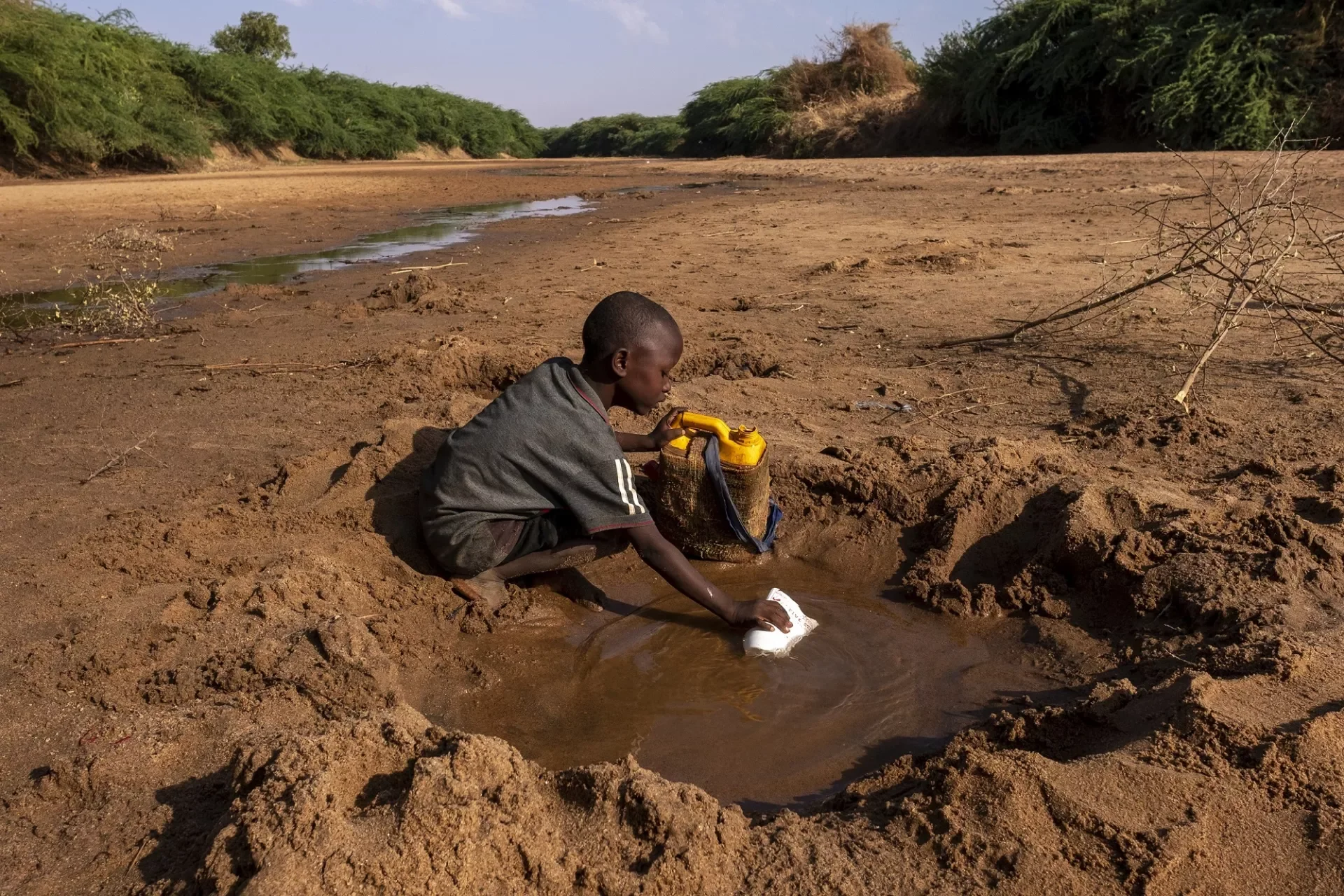
A clear example of this is visible in the recent droughts in the Horn of Africa. The extremely severe dry conditions have strained local services and driven widespread food insecurity and acute malnutrition. The displacement of many to find food and water has further complicated access to care for those who need it most.
What does a climate-resistant health system look like?
A climate-resistant health system is one that can anticipate, absorb, and recover from climate-related shocks while continuing to deliver equitable healthcare. Key components include climate-resistant infrastructure, sustainable supply chains, effective early-warning systems, and a trained health workforce capable of responding rapidly to emergencies.
The WHO has developed frameworks and technical guidance to support Member States in building such systems. However, implementation remains uneven and, in some regions, almost non-existent due to financial constraints, limited technologies, and political instability. This slow progress has raised concerns about the extent to which global strategies can be translated into effective action at the national and local levels.
At ILYMUN 2026, delegates will therefore consider how the WHO can strengthen support mechanisms, promote knowledge sharing between states, and improve accountability in the implementation of climate resistant health policies.
Equitable access to healthcare in a changing climate
Equity must remain at the center of any effort to build climate resistant health systems. As climate change intensifies, disparities in access to healthcare are becoming more pronounced. Displaced populations, along with rural and marginalized communities, frequently encounter significant barriers to essential services such as maternal care and vaccination programs.
The WHO continues to promote universal health coverage as a global objective, yet climate related pressures increasingly complicate its achievement. Delegates will be invited to assess whether current global health funding models adequately prioritize the needs of the most vulnerable populations.
The WHO Director General, Dr Tedros Adhanom Ghebreyesus, stated: “Our world is an unequal one. Where we are born, grow, live, work and age significantly influences our health and well-being”. He has repeatedly emphasised the need to ensure access to healthcare for all people “regardless of who they are or where they live”.
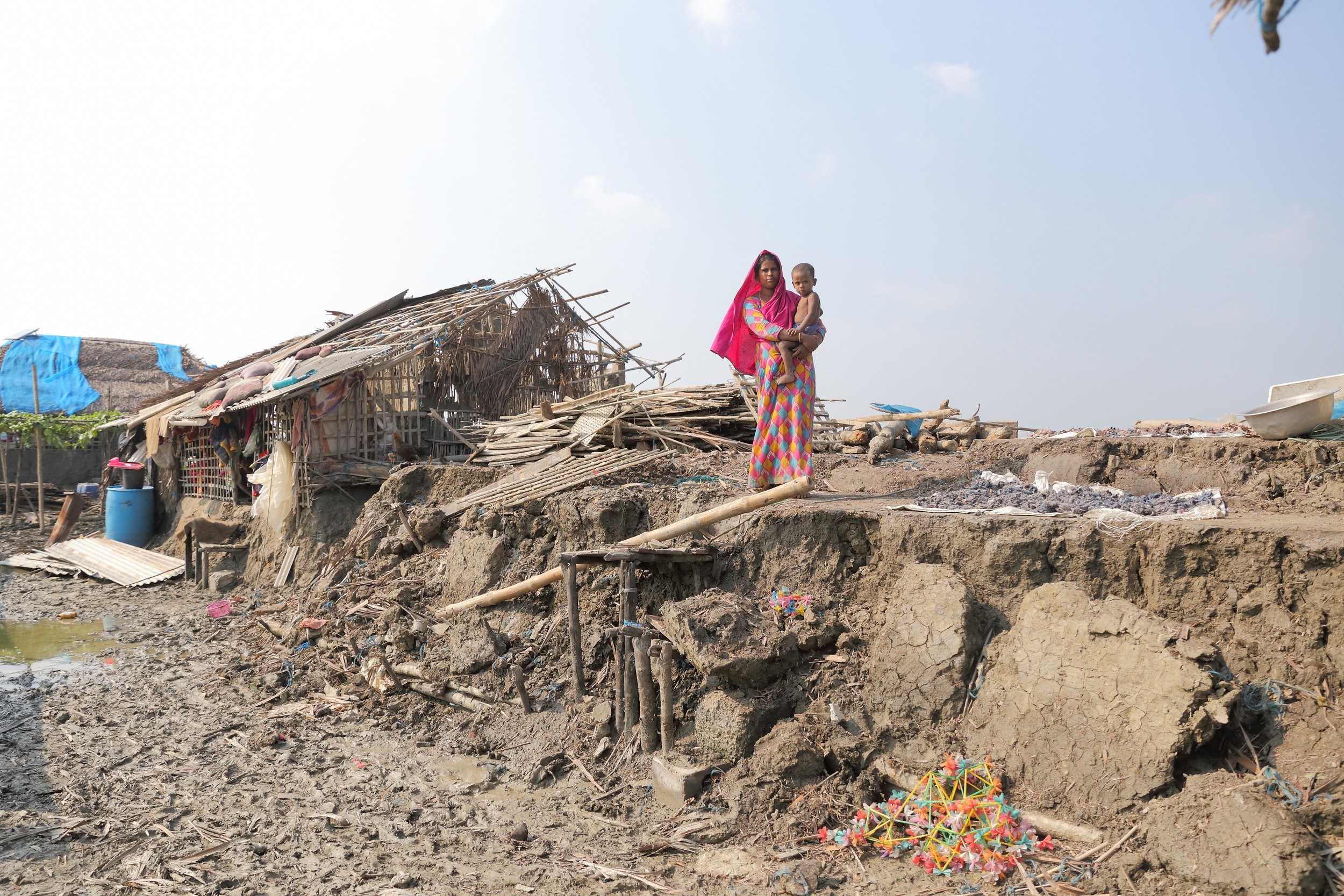
Around 2022, heavy floods in India, Bangladesh and Nepal left millions without safe drinking water and sanitation as health facilities struggled to remain operational and much infrastructure was submerged. As the floods receded, many suffered from outbreaks of water-borne diseases, adding pressure to an already strained medical system. This situation highlighted how inequitable access to healthcare becomes even more severe and deadly during climate disasters.
Challenges faced by the WHO
While the WHO plays a central role in coordinating global health action, it faces significant structural and political challenges. The organization strongly depends on voluntary contributions, which can undermine long-term planning and reduce its operational independence. In addition, its governance structure, based on the representation of 194 Member States, requires balancing diverse national interests, often complicating decision-making, particularly on politically sensitive issues such as funding responsibilities and climate-related accountability.
As climate change continues to increase and affect global health risks, the need for climate-resistant and equitable health systems has become increasingly urgent. Many recent crises reveal persistent gaps between goals and realities, highlighting that more concrete action must be taken to protect vulnerable populations. Delegates in the WHO committee will have to consider whether or not existing global health structures are sufficient and what reforms and better communication is needed for justice and resilience.
Bibliography:
World Health Organization, 2019, ‘Climate Change’, who.int , available at: https://www.who.int/health-topics/climate-change#tab=tab_1
IPCC, 2022: ‘Climate Change 2022: Impacts, Adaptation and Vulnerability’, ipcc.ch, available at: https://www.ipcc.ch/report/ar6/wg2/downloads/report/IPCC_AR6_WGII_FullReport.pdf
WHO, 2025, ‘Health inequalities are shortening lives by decades’, who.int , available at: https://www.who.int/news/item/06-05-2025-health-inequities-are-shortening-lives-by-decades
Wikipedia Contributors, last edited 2026, ‘Effects of climate change on human health’, wikipedia.org , available at: https://en.wikipedia.org/wiki/Effects_of_climate_change_on_human_health
Unicef, 2022, ‘Children are facing deadly drought in the horn of Africa’, unicef.org , available at: https://www.unicef.org/stories/climate-drought-horn-of-africa