
The relevance of ILYMUN themes in global geopolitics
Eloïse ROUGER
Are our annual ILYMUN themes mirrored in global politics today, or are they mere ideas for high schoolers to play around with as elusive, utopian ideas that are irrelevant to modern politics ?
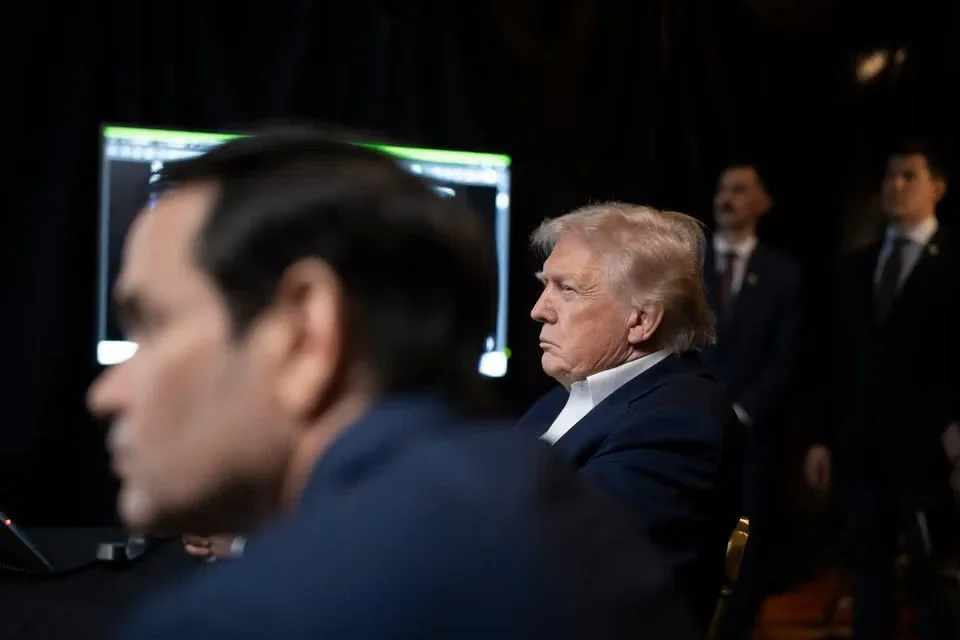
Photo posted by US President Donald Trump to the social platform Truth Social appears to show operations for the Venezuela strike. From President Donald Trump/Truth Social : “It was just like watching television”
“We need Greenland ! We need Greenland !” chanted the American president, Donald Trump, while boarding his plane back to his vacation home in Mar-a-Lago mere hours after completing an illegal military operation that lifted Venezuelan dictator Nicholas Maduro and his wife from their beds on Saturday night, 3rd of January, 2026.
This year’s ILYMUN 2026 theme is “Building trust and protecting rights”, ideas that the current world leaders seem to be in dire need of revisiting. The president of the United States, Donald Trump, has breached international laws and regulations numerous times but faces no sanctions. His unprecedented yearning for Greenland and complete disregard for the leaders of South America do not offer much hope of peace for 2026. By excluding Europe from key international decisions and disregarding NATO’s principles, Trump undermines trust among democratic states. His domestic policies, including restrictions concerning access to culture, also raise concerns about freedom of expression in the United States.
The US, once a founding father of democracy, now a driving force to its dismantlement
The US was one of the “Permanent Five” countries of the UN post Second World War and has a right of veto as a permanent member of the organisation’s Security Council. These founding countries all agreed at the San Francisco summit in 1945 to “enshrine the equal rights of all people and maintain peace” through the signing of the treaty. Experts argue that this goal was definitely not met in the long term of the organisation. Indeed, the outbreak of the Cold War conflict with the Soviet Union determined that peace was definitely not a priority for the US, especially given the numerous proxy wars that ensued. However, most of the democratic parties involved in the conflicts sought to justify their actions as serving the greater good of humanity. An example of this can be seen in the United States’ rhetoric surrounding its opposition to the Soviet Union’s deliberate spread of communism in South America. Ronald Reagan memorably referred to the Soviet Union as “the focus of evil in the modern world.” Hence, considering that it is one of the pillars and founders of democracy, and a vehement defender of freedom of speech since its independence, how has the United States debased the very bedrocks of democracy internally and through its attitude towards the rest of the world ?
The current President of the United States has adopted a more aggressive and unilateral approach to foreign policy, contributing to heightened international tensions and a departure from the country’s traditional role as a global peacekeeper in the early decades of the twenty-first century. A new age of reclusivity seems to have taken the White House, and American isolationism has intensified with the “America First” movement sweeping the country and with the serial withdrawals from international agreements such as the Paris 2015 Climate Agreement. A giddy Trump seems to play with the limits of his seemingly boundless power by threatening to pull out of the war in Ukraine and shooting down boats off the coast of Florida, allegedly holding narcotics, killing over 115 people. Trump seems to only wield his military power for interventionist missions that serve his economy, such as his attack on Venezuela, a country rich in oil resources and close to Cuba. The US’s veto right in the Security Council limits the international community’s ability to impose binding measures against it. The EU, for example, fears the petulant president’s impulsive tendencies and a potential follow through on his threats.
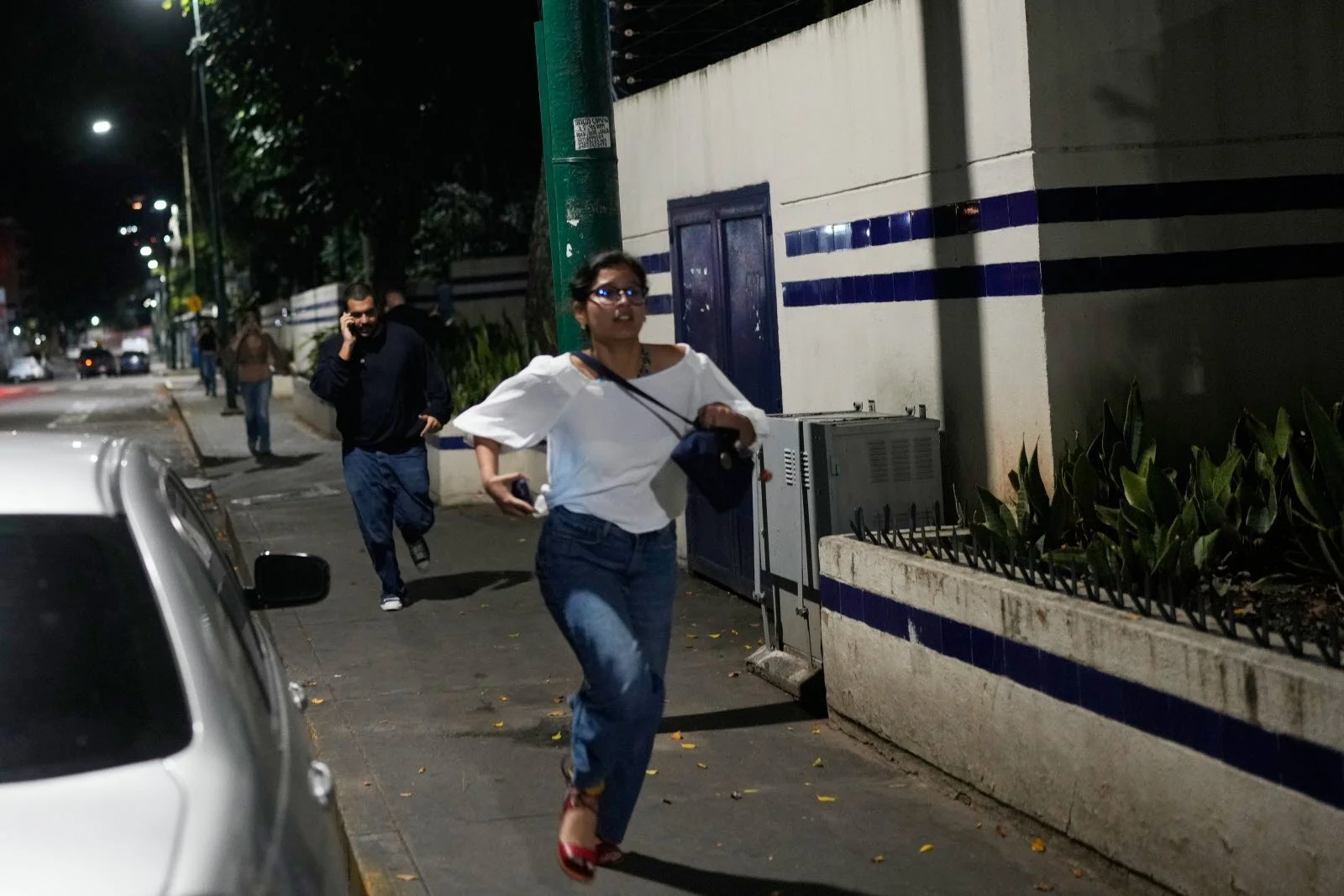
Pedestrians run after hearing explosions and low-flying aircraft in Caracas, Venezuela, on Saturday, January 3, 2026. MATIAS DELACROIX / AP
Trump’s chronic inaction on the global sphere
As Trump multiplies cultural budget cuts in tandem with organising colossal republican gatherings that headline cowboy hat clad singers earning multi million dollar payouts, the foundations of trust and protection of human rights in the US are being put to the test. But the political climate of the world hasn’t been the only thing taking a turn for the worse. The World Weather Attribution has announced the normalisation of environmental catastrophes in climates across the world that, prior to the 21st century, would be headline news. To add to the merriment, Russia continues to dig its claws into many states in the east of Africa via its military Wagner operation, mainly in the Central African Republic, whose corrupt president, Touadéra, just erected a statue of himself and Putin shaking hands and beaming. By boasting his wonderful relationship with the dictator and the wonders he does for his country via mediocre propaganda films, Putin leeches the country for its every last mineral resource through his maze of diamond mines. The world today turns to superpowers like the US to rectify these worrying, complex geopolitical situations but is met with, at best, blatant disinterest.
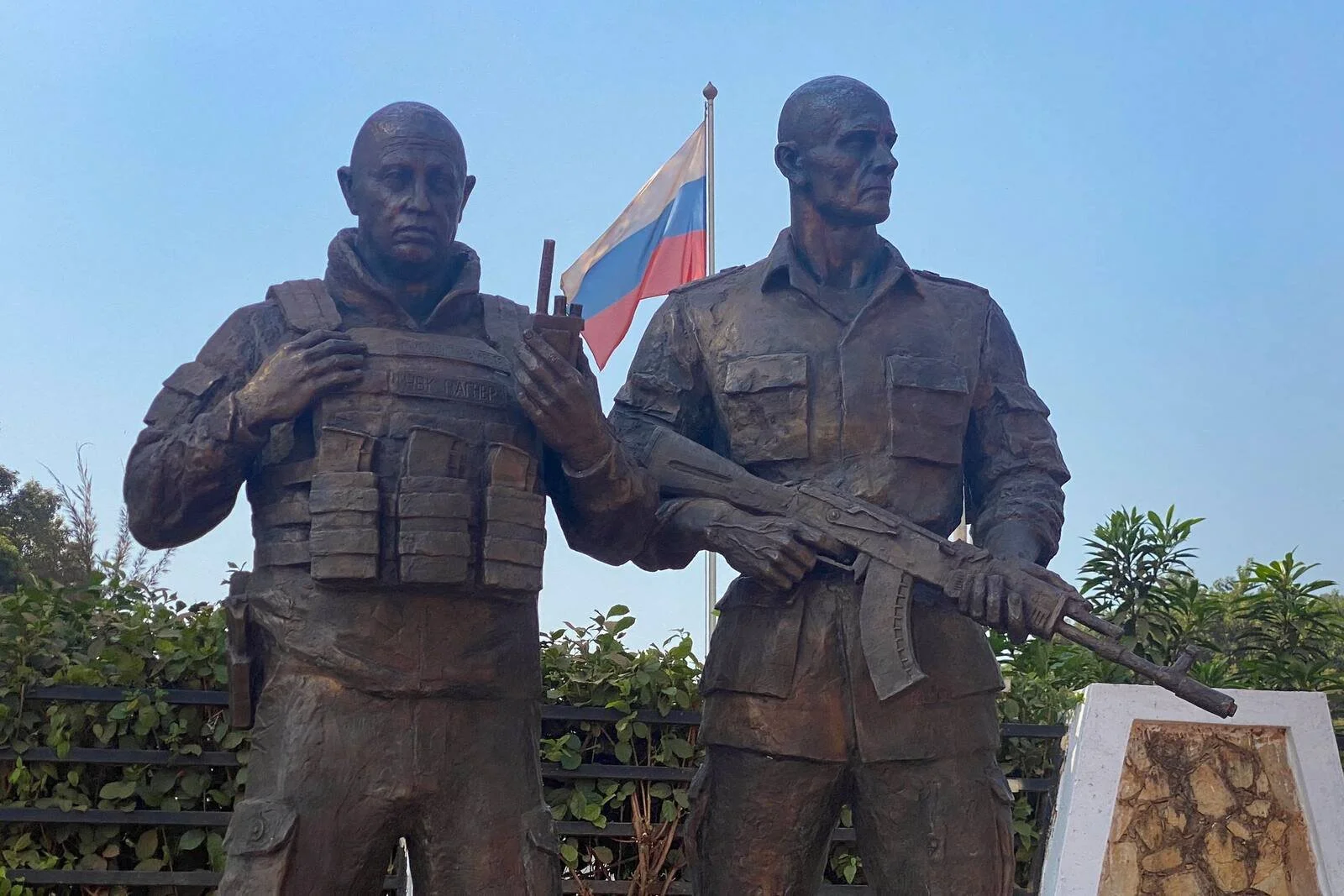
Statue of Russia's Wagner founder Prigozhin unveiled in Central Africa
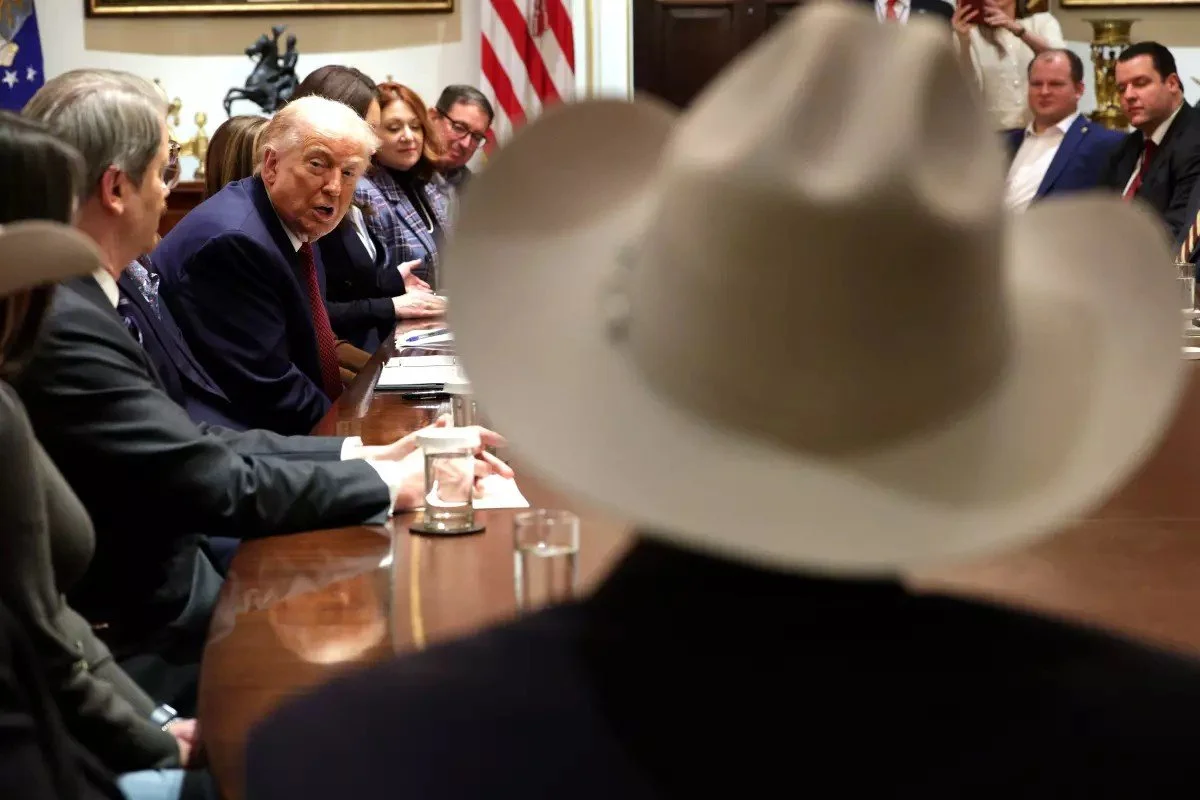
Trump speaks to outraged, alienated farmers at White House in December 2025 to discuss tariffs undercutting cattle producers in favour of consumers. Cattle farmers in states such as Texas and Arizona are one of the most faithful voters to the president
How is the youth supposed to inaugurate another ILYMUN and advocate and debate for three days on the principles of building trust and protecting rights when these ideals appear to be last on the agenda of our current world leaders? When those entrusted with power disregard international law, undermine culture, and retreat from collective responsibility, the consequences are very negative. Young people are left to defend values that many adults have reduced to empty rhetoric, despite the United Nations’ commitment to reaffirm “faith in fundamental human rights, in the dignity and worth of the human person.” Yet, perhaps it is precisely this failure seen in modern global governance that makes our role crucial : if the building of trust and the protection of rights are no longer ensured from the top of the power pyramid down, then maybe they must be suggested and advocated for from the bottom up.
Bibliography:
Liptak, K., Khurshudyan, I., Cohen, Z., Treene, A. and Holmes, K. (2026). Inside the operation: How the US moved to capture Nicolás Maduro. [online] CNN. Available at:
https://edition.cnn.com/2026/01/03/politics/nicolas-maduro-capture-venezuela
Anon, (n.d.). World Weather Attribution – Exploring the contribution of climate change to extreme weather events. [online] Available at:
https://www.worldweatherattribution.org/
Kofi Mframa (2024). America’s shift right should be no surprise. Country music resurgence warned us. | Opinion. [online] USA TODAY. Available at:
Williams, A. (2025). ‘He would turn us against him’: Trump’s tariff reductions alienate ranchers. [online] @FinancialTimes. Available at:
https://www.ft.com/content/947b7af9-20de-42d9-abd8-ab46766a4802
Sena, S. de (2026). Enlèvement de Nicolas Maduro : ‘La Cour pénale internationale est la seule juridiction compétente pour juger un chef d’Etat en exercice’. [online] Le Monde.fr. Available at:
United Nations (2025). History of the United Nations. [online] United Nations. Available at:
https://www.un.org/en/about-us/history-of-the-un
Ehl, D. (2024). How the Russian Wagner Group is entrenching itself in Africa. [online] Available at: